
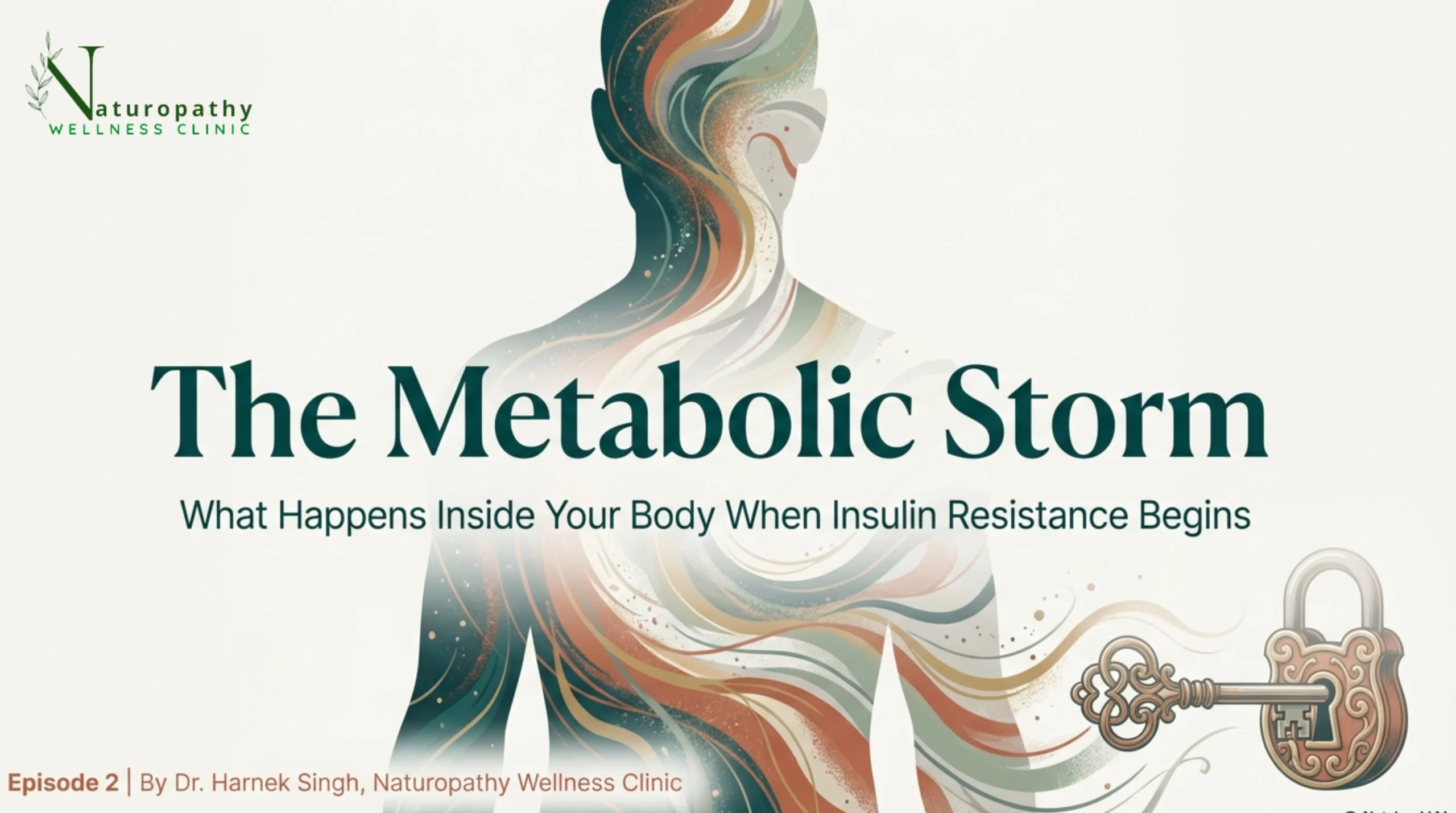
Introduction: The Locked Door
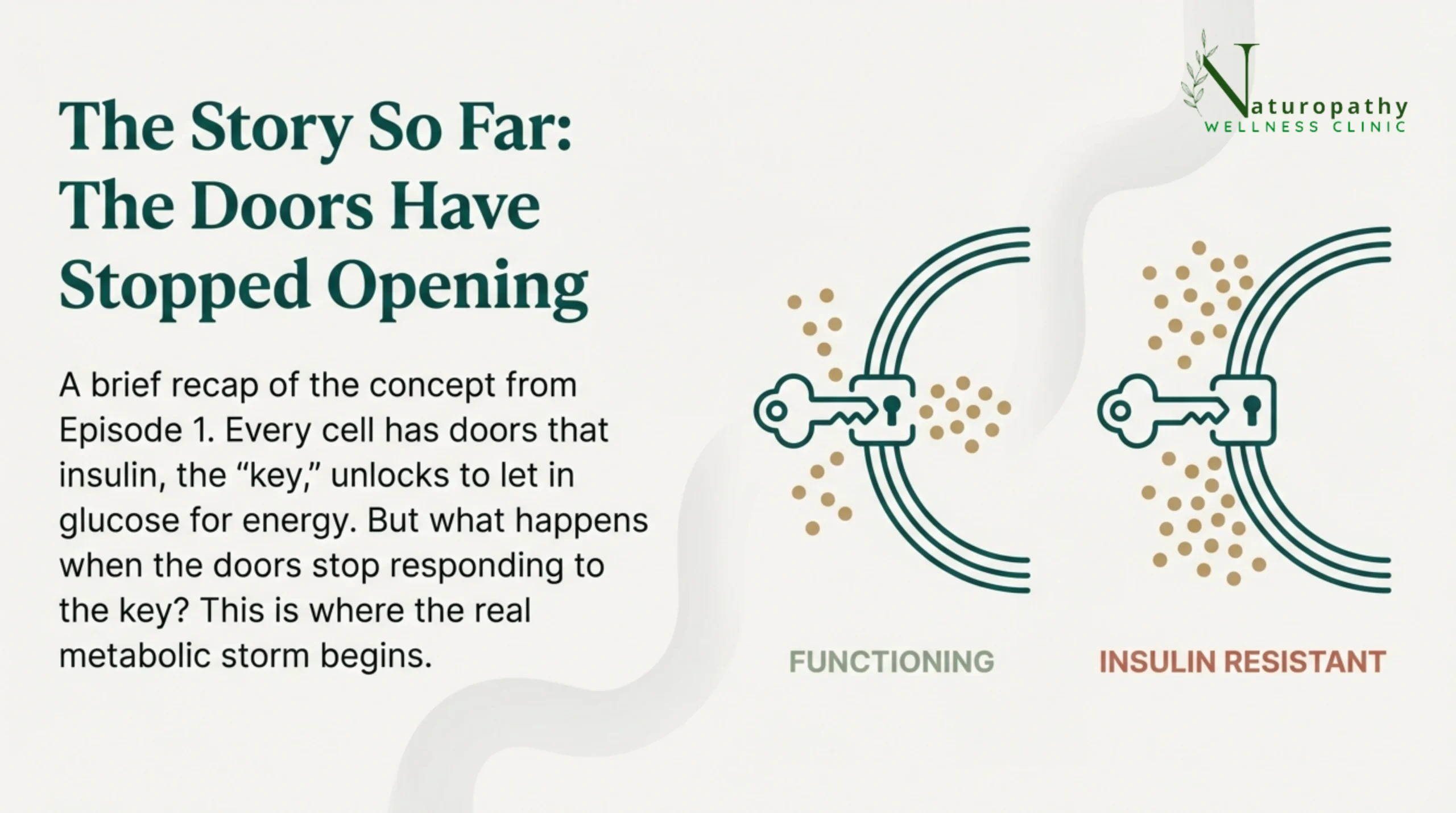
Imagine every cell in your body has doors, and the hormone insulin is the special key that unlocks them to let energy in. This system works perfectly, allowing glucose (sugar) from your food to enter your cells and fuel your life.
But what happens when the locks get rusty and the doors stop responding to the key? This condition, known as insulin resistance, marks the beginning of a silent but powerful “internal storm.” When your cells can’t get the energy they need—even when there’s plenty of it in your bloodstream—your body is forced to declare a metabolic emergency. Here are five critical ways your body shifts into survival mode.
1. Your Body Abandons Its Day Job to Fight a Sugar Emergency
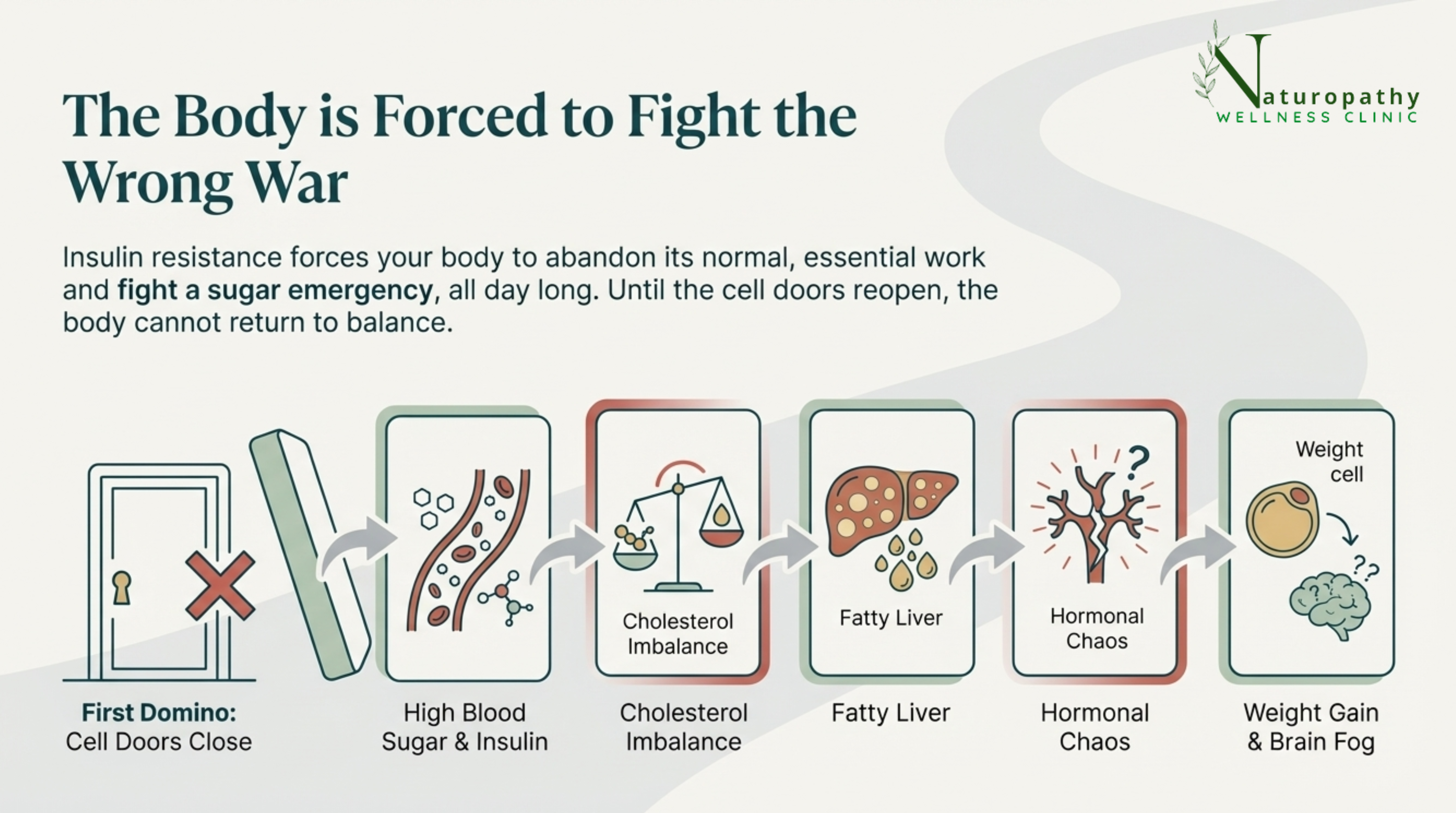
When insulin resistance begins, the body switches from its normal, essential functions—like detoxification, cell repair, and producing antioxidants—into a single-minded emergency survival mode. Its one and only goal becomes managing the dangerously high levels of sugar and insulin in the blood.
This dramatic shift forces critical systems to abandon their primary responsibilities, with widespread consequences:
- The Liver: Stops its vital work of detoxification and cell repair to focus exclusively on reducing excess glucose.
- The Pancreas: Overworks to pump out more insulin, neglecting its crucial role in producing digestive enzymes.
- The Hormonal System: Ignores maintaining reproductive balance to manage the immediate sugar-insulin crisis.
- The Thyroid: Slows your metabolism down to reduce the body’s overall demand for energy.
The feelings of being constantly tired, slow, mentally foggy, heavy, sleepy, and anxious are often not just signs of aging. They are the direct results of this profound metabolic stress, as your body diverts all its resources to fight one single battle.
2. Cholesterol Isn't the Villain—It's the Repair Crew
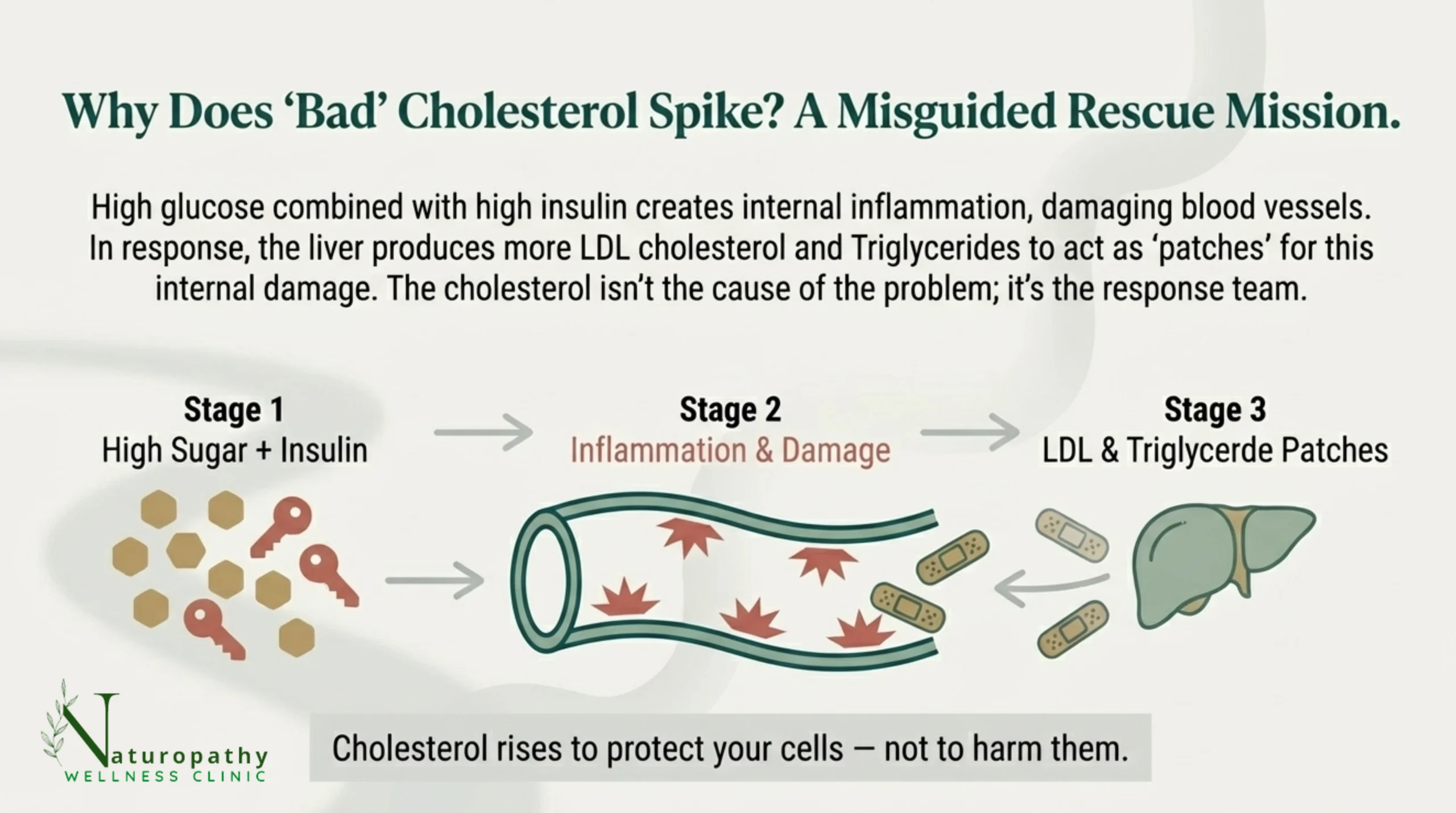
When you hear “high cholesterol,” you probably think of a health risk. But in the context of insulin resistance, the story is more complex. High levels of insulin and glucose create a state of internal inflammation, which damages the delicate lining of your blood vessels.
In response, the liver dispatches an emergency patch-up crew. It ramps up production of LDL cholesterol and triglycerides, sending them out not to harm you, but to repair the internal damage caused by the high-sugar environment.
Cholesterol rises to protect your cells — not to harm them.
At the same time, HDL (“good cholesterol”) levels begin to fall. The liver, preoccupied with managing the sugar crisis and sending out LDL repair crews, neglects its other duties—like producing enough of the HDL “cleanup crew” needed to keep blood vessels clear, remove excess fats, and reduce inflammation. This classic pattern of high LDL/triglycerides and low HDL is a hallmark of metabolic dysfunction.
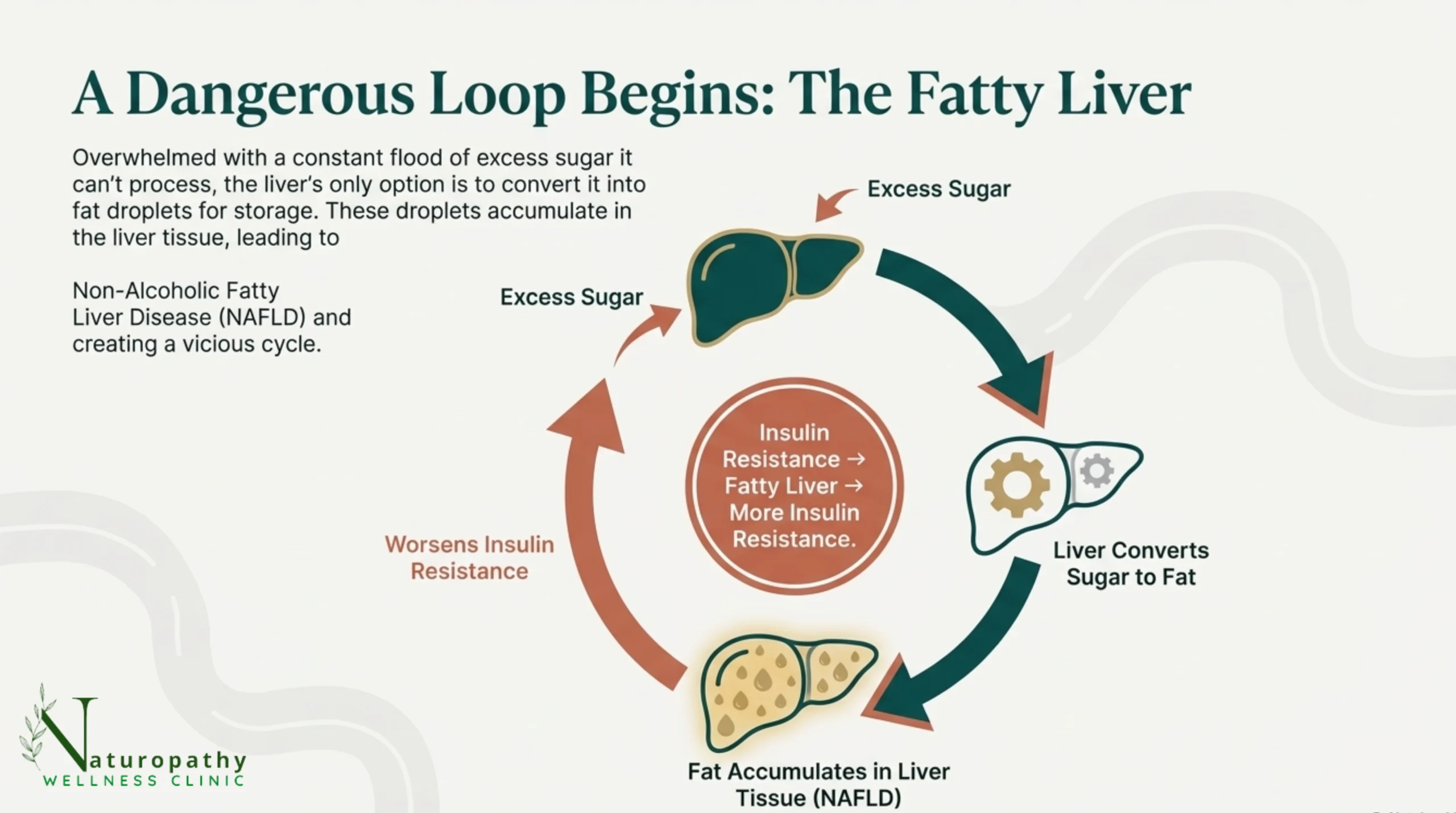
A Vicious Cycle Begins in the Liver
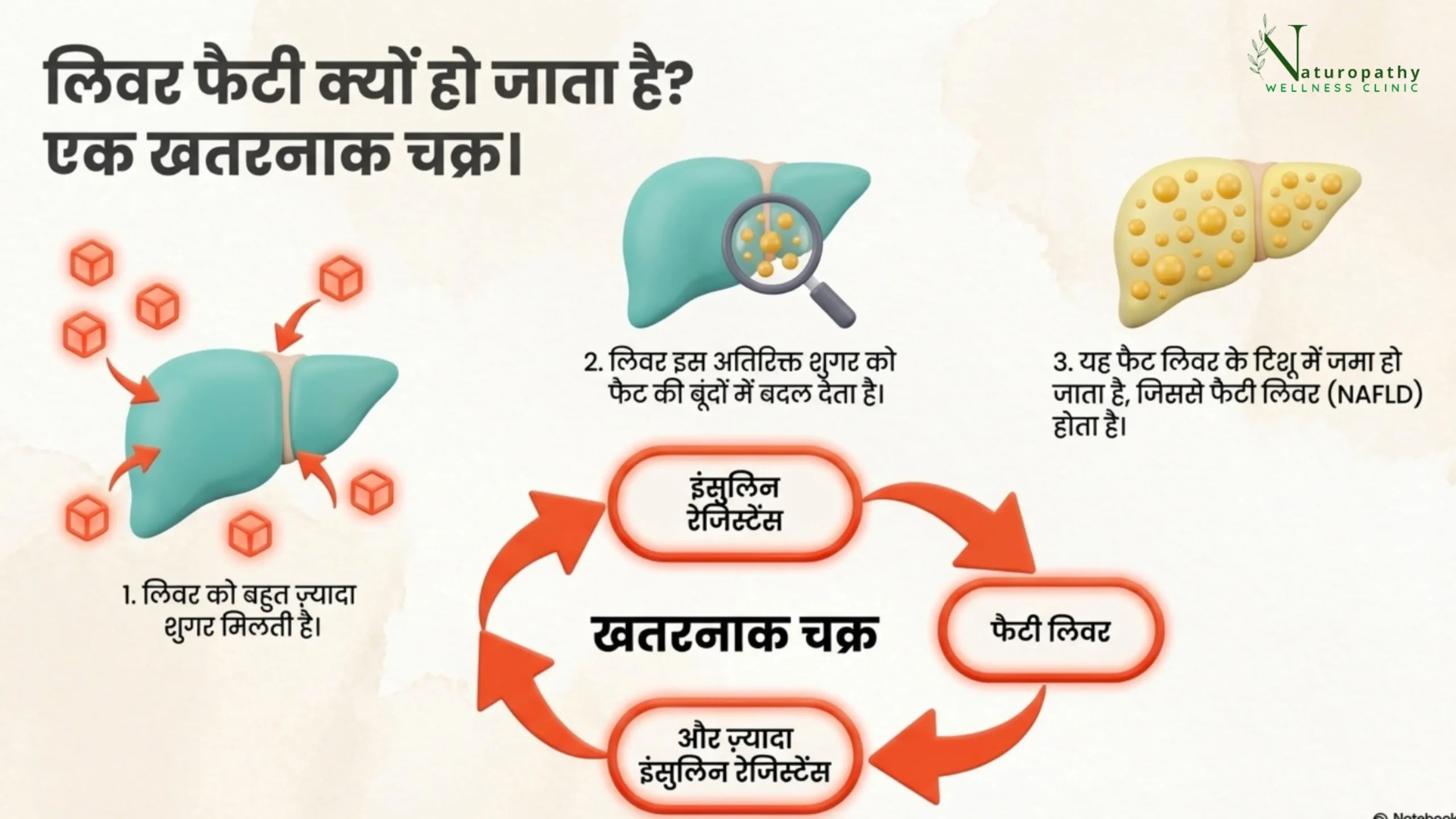
This emergency response creates another dangerous problem. Overwhelmed with sugar it cannot process, the liver begins converting the excess glucose into fat. These fat droplets accumulate in the liver’s tissue, leading to Non-Alcoholic Fatty Liver Disease (NAFLD). This creates a vicious feedback loop: insulin resistance causes a fatty liver, and a fatty liver, in turn, makes the body even more resistant to insulin, worsening the entire metabolic crisis.
3. Your Body Loses the Ability to Burn Fat
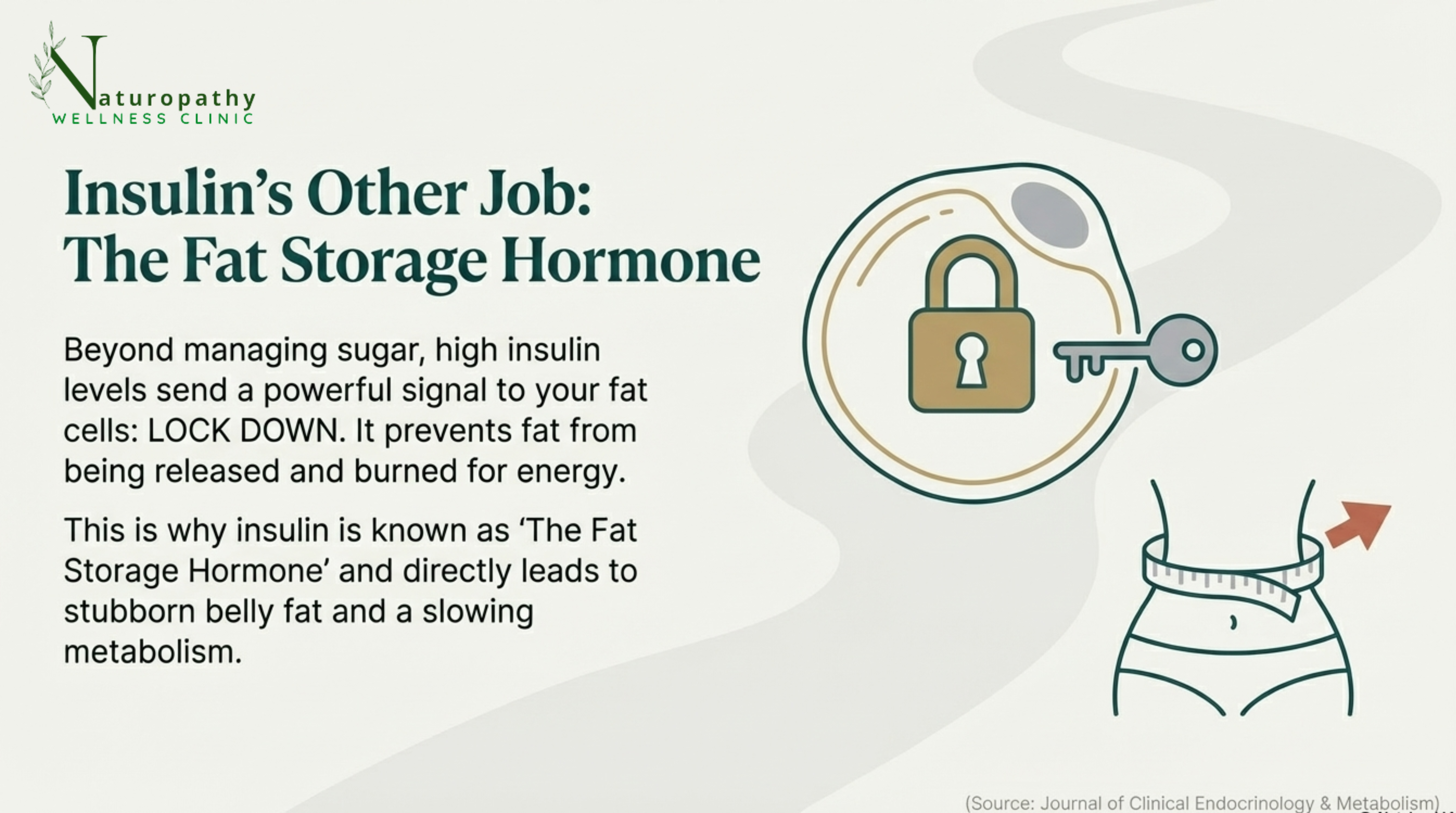
One of the most frustrating consequences of this internal storm is its effect on body weight. When insulin levels are consistently high, they effectively “lock” fat inside your fat cells, preventing your body from accessing and burning it for energy.
For this reason, insulin is often called “The Fat Storage Hormone.” In this emergency state, the body’s prime directive shifts from using energy to hoarding it, as it can no longer trust its ability to get fuel into the cells. This mechanism is directly linked to the development of stubborn belly fat and an increasing waist size, even when you feel like you aren’t overeating.
4. Your Mood and Hormones Are Hijacked
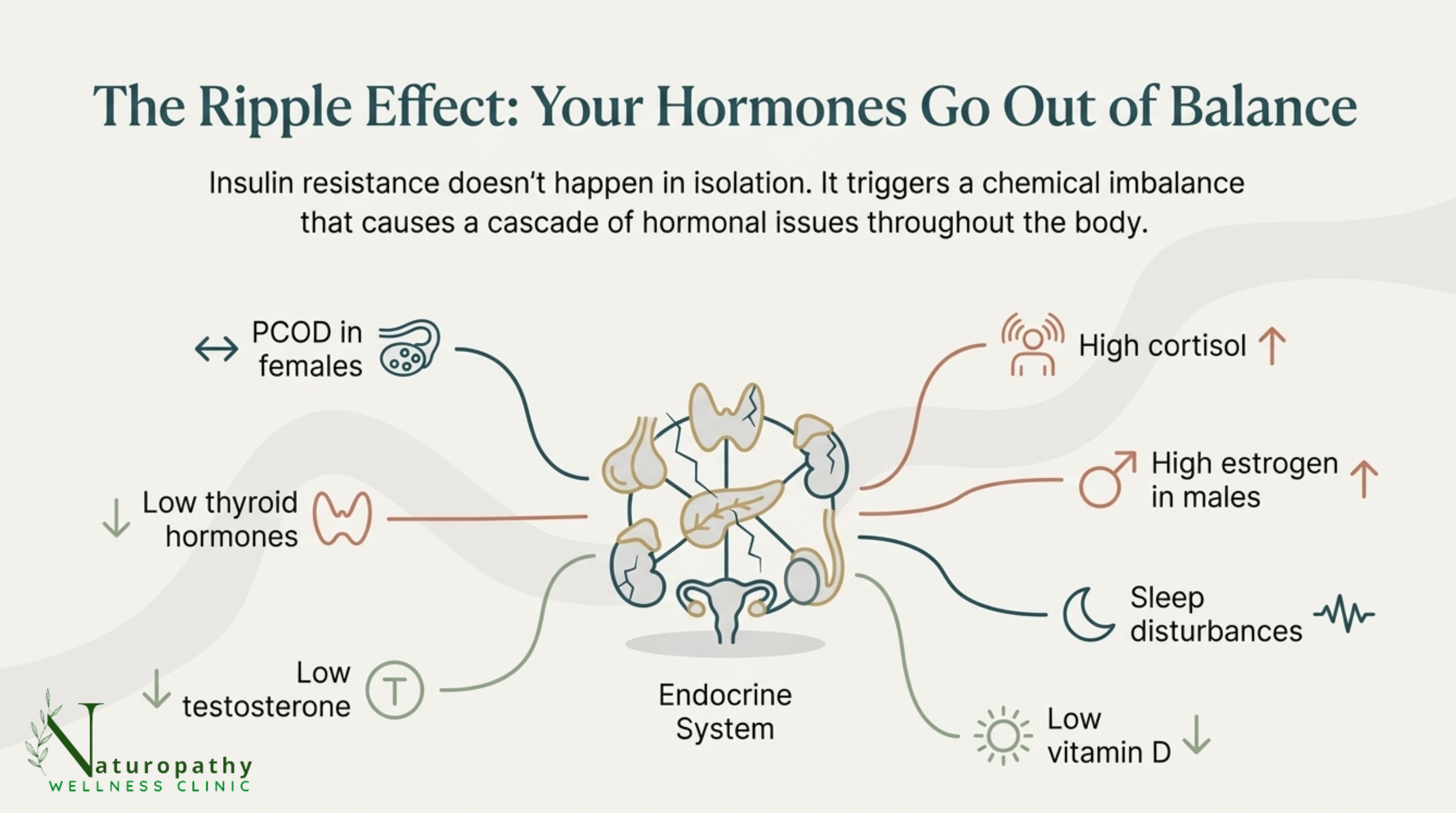
The metabolic emergency of insulin resistance triggers a powerful cascade of hormonal imbalances that can hijack your mood and mental state. The constant crisis mode disrupts your entire endocrine system.
This disruption directly triggers a host of specific hormonal problems, including high cortisol, low thyroid hormones, low vitamin D, high estrogen in males, PCOD in females, low testosterone, and sleep disturbances. As a result, you might feel persistently moody, anxious, irritated, or mentally drained. It’s crucial to understand that these feelings are often not just a reaction to psychological “stress” but are the direct result of a real chemical imbalance fueled by insulin resistance.
5. Your Brain Receives Mixed Signals, Leading to Confusion
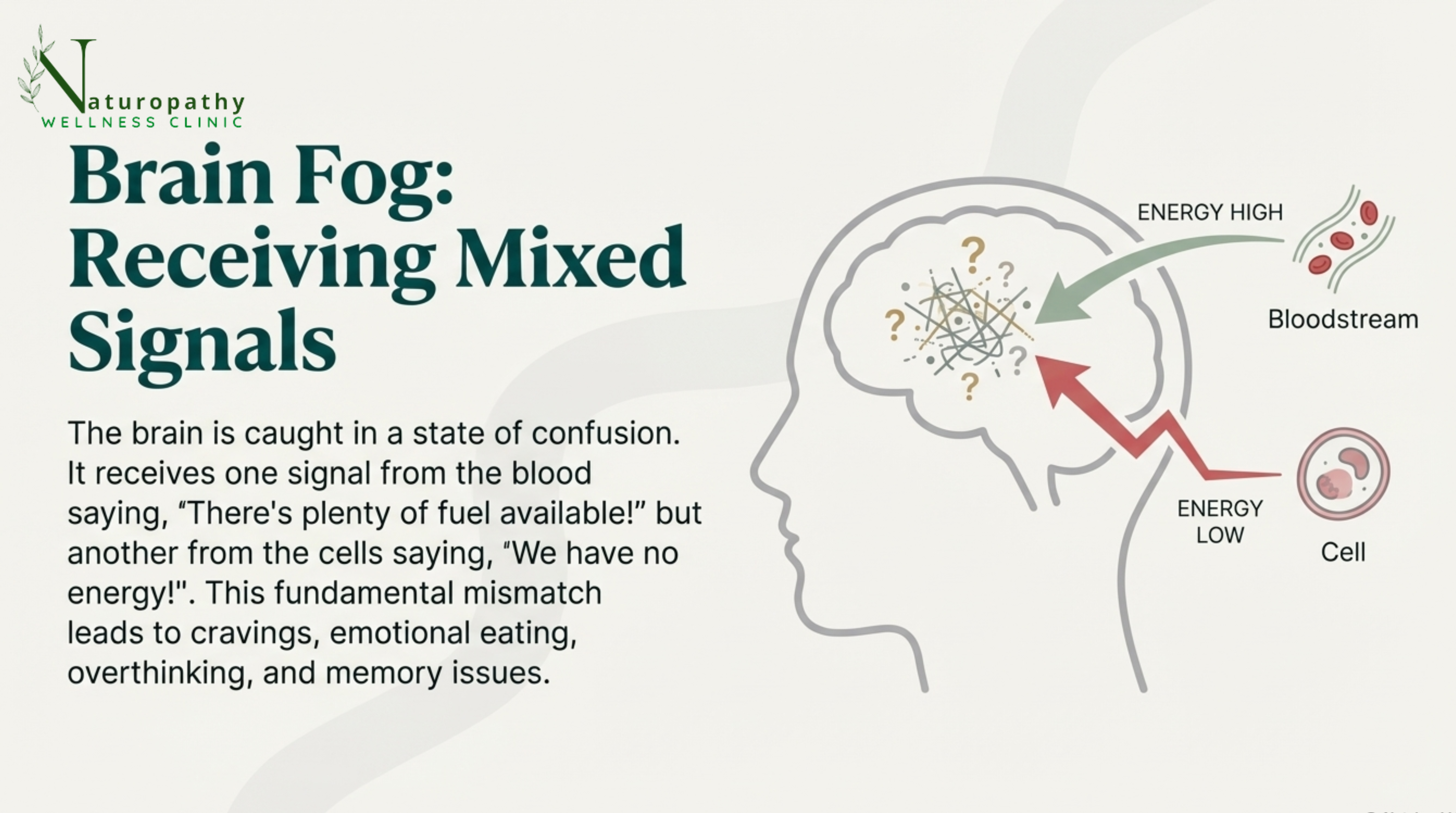
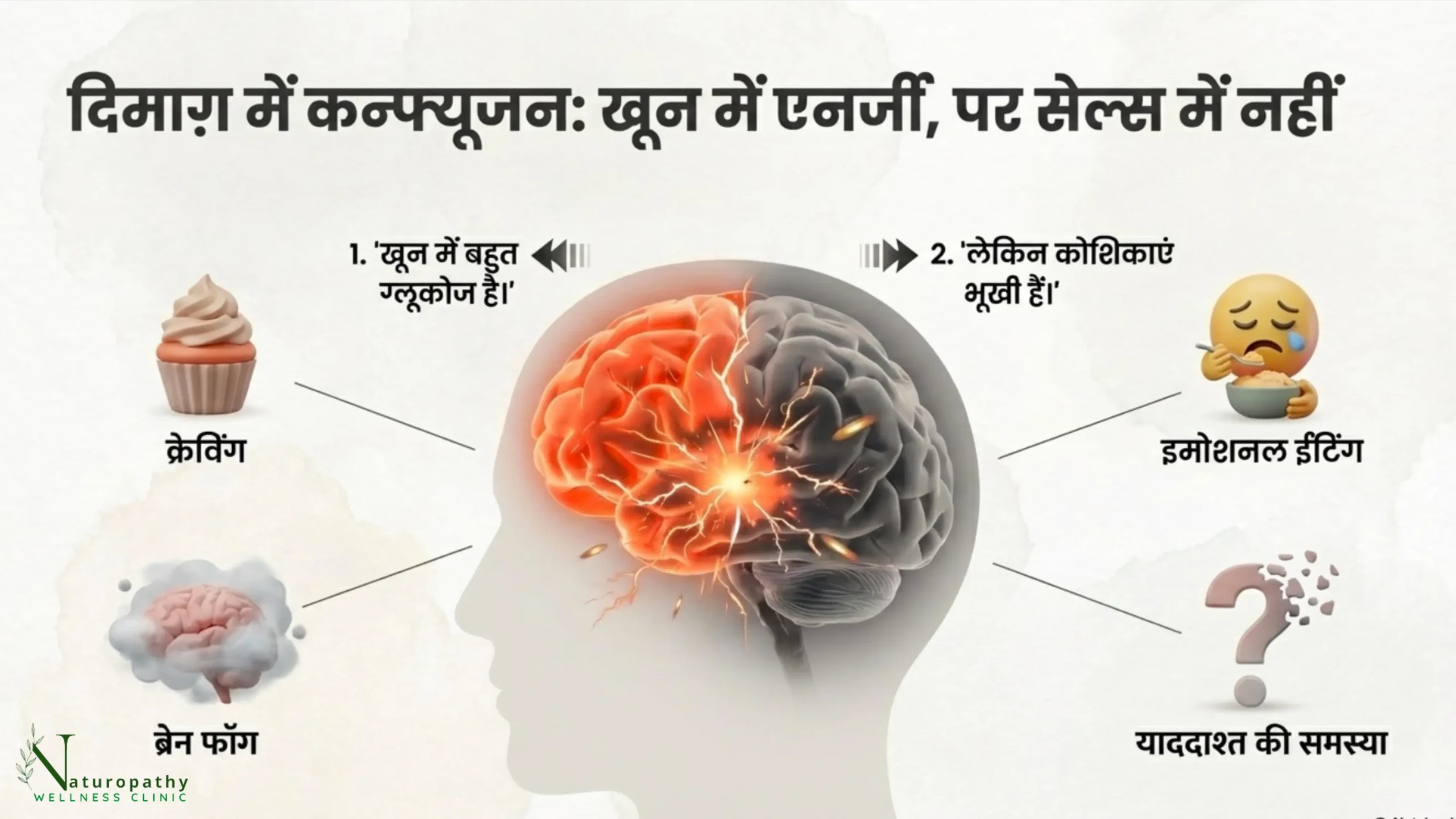
Perhaps the most confusing part of insulin resistance happens within the brain. Your brain receives two completely contradictory signals at the same time: it knows there is plenty of energy (glucose) circulating in the blood, but it also receives desperate signals from your cells that they are starving because that energy can’t get inside.
This fundamental mismatch sends the brain into a state of confusion, which manifests in several common and disruptive ways. This brain-level conflict is a direct cause of:
- Intense and persistent cravings for more sugar
- Overthinking
- Emotional eating patterns
- Chronic brain fog and difficulty concentrating
- Noticeable memory issues
Conclusion: Ending the Internal Storm

The five survival responses above paint a clear picture: insulin resistance is not a single issue but a system-wide crisis that forces the body into a constant state of emergency, preventing it from doing its essential daily work.
“Insulin resistance forces the body to leave its normal work and fight a sugar emergency all day long.”
This state of constant internal battle is unsustainable. Until the cell doors reopen and energy can get where it is needed, the body cannot find its balance and exit this damaging survival mode. The crucial question then becomes: How can we reopen those doors?
इंसुलिन प्रतिरोध (Insulin Resistance) के बारे में 5 चौंकाने वाले सच जो आपका शरीर आपको बताने की कोशिश कर रहा है
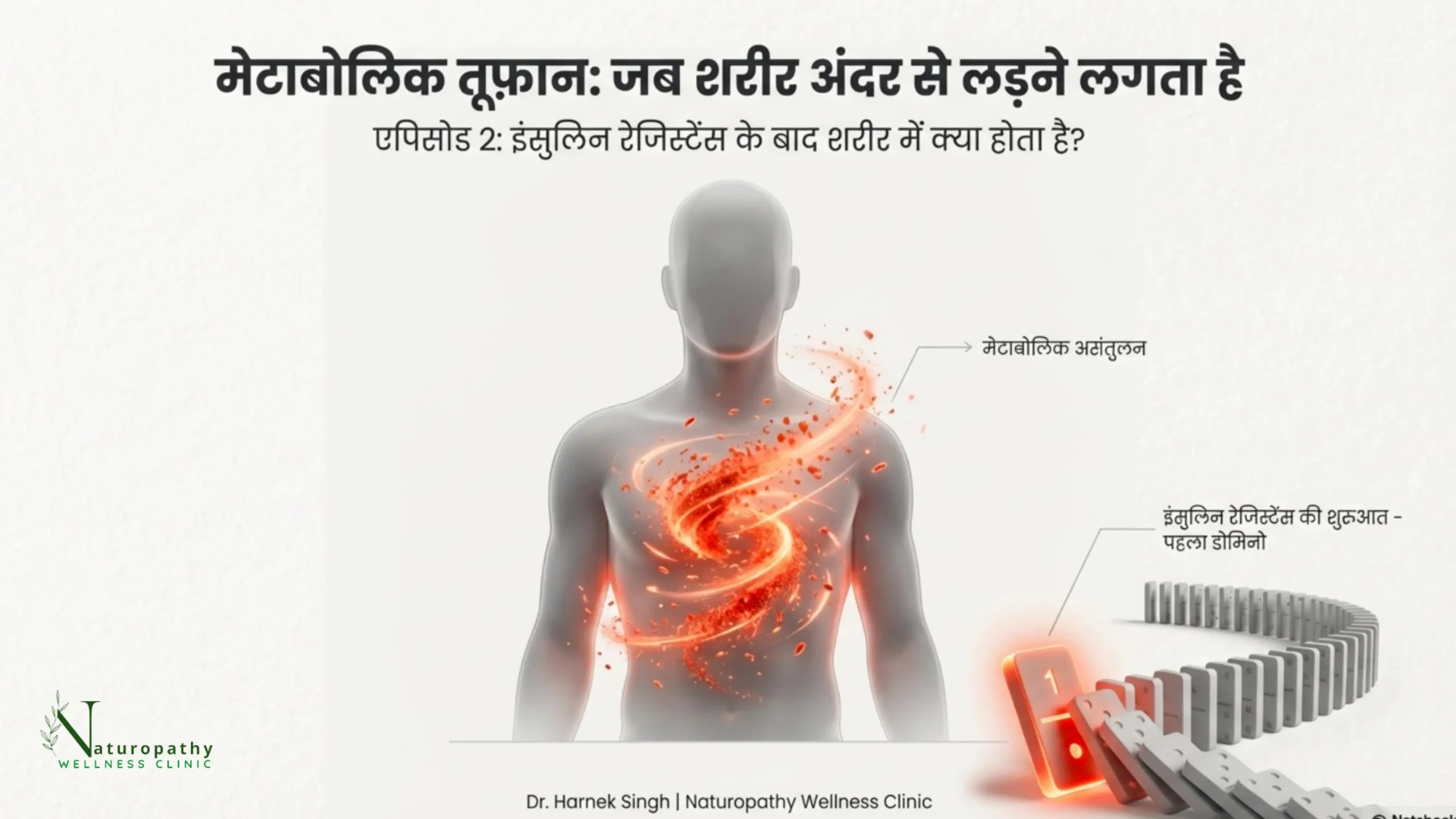
क्या आप अक्सर थका हुआ, मानसिक रूप से धुंधला, या पेट की जिद्दी चर्बी से परेशान रहते हैं जिसे आप उम्र बढ़ने या तनाव का संकेत मानकरनज़रअंदाज़ कर देते हैं? क्या होगा अगर ये लक्षण किसी गहरी समस्या का संकेत हों—एक छिपा हुआ “आंतरिक तूफान” जिसे इंसुलिन प्रतिरोधकहा जाता है? कल्पना कीजिए कि आपके शरीर की हर कोशिका में दरवाजे हैं और इंसुलिन वह चाबी है जो उन्हें खोलती है ताकि ऊर्जा अंदर आसके। जब ये दरवाजे चाबी पर प्रतिक्रिया देना बंद कर देते हैं, तो शरीर के अंदर असली मेटाबोलिक तूफ़ान शुरू हो जाता है।
1. आपका शरीर भूखा है, भले ही आपके खून में शुगर ज़्यादा हो
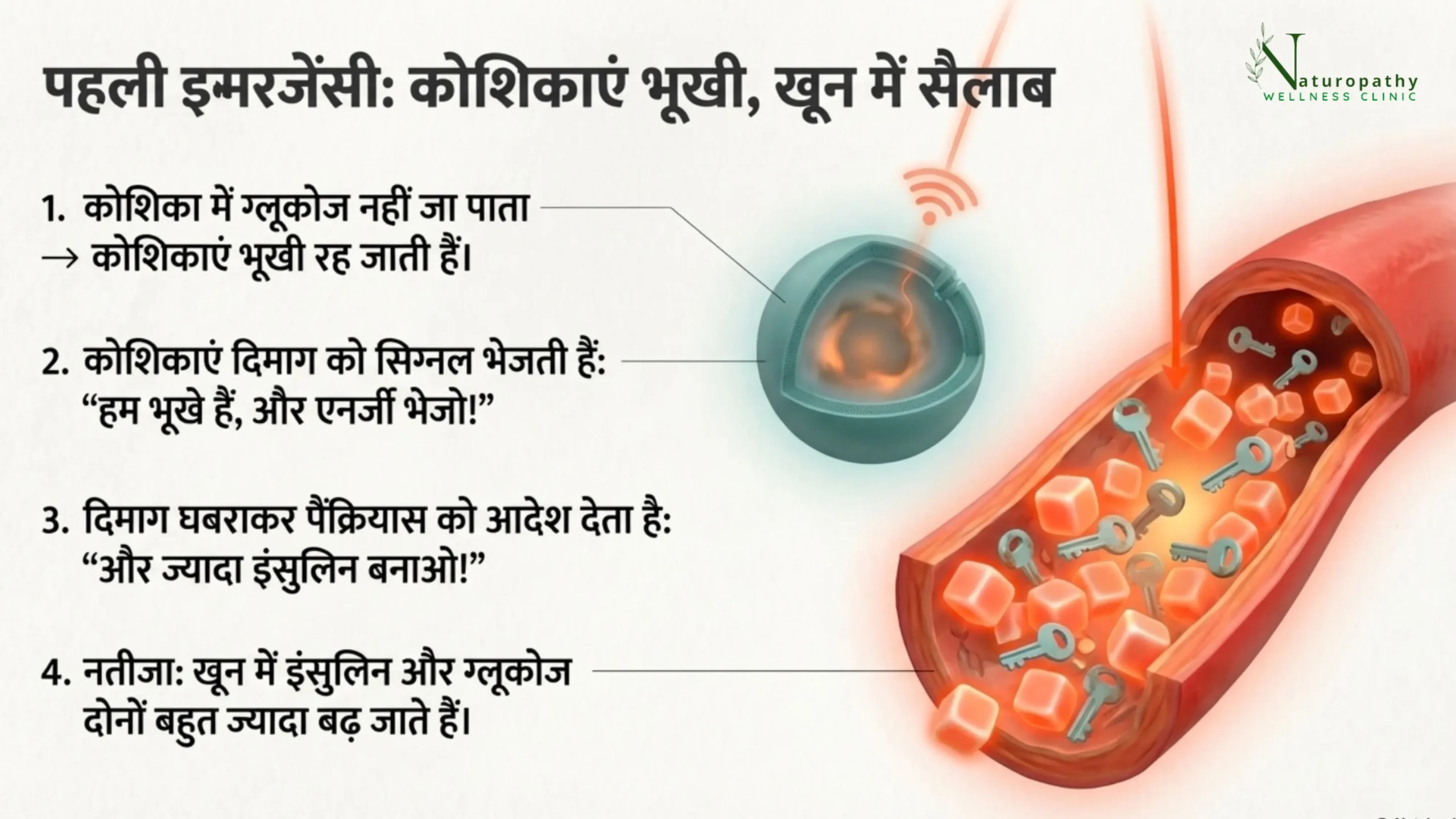
यह इंसुलिन प्रतिरोध का सबसे बड़ा विरोधाभास है। जब कोशिकाएं इंसुलिन के प्रति प्रतिरोधी हो जाती हैं, तो वे खून से ग्लूकोज (शुगर) कोअंदर नहीं ले पातीं। नतीजा यह होता है कि आपके खून में शुगर का स्तर तो ज़्यादा रहता है, लेकिन आपकी कोशिकाएं भूखी रह जाती हैं।
ये भूखी कोशिकाएं मस्तिष्क को संकेत भेजती हैं: “हमें ऊर्जा चाहिए, हम भूखे मर रहे हैं!” घबराकर, मस्तिष्क पैंक्रियास को और भी ज़्यादाइंसुलिन छोड़ने का आदेश देता है। यह उच्च ग्लूकोज और उच्च इंसुलिन का एक खतरनाक चक्र बनाता है, जो लगभग हर मेटाबोलिक समस्याकी शुरुआत है।
2. शरीर अपने ज़रूरी काम छोड़कर 'इमरजेंसी मोड' में चला जाता है
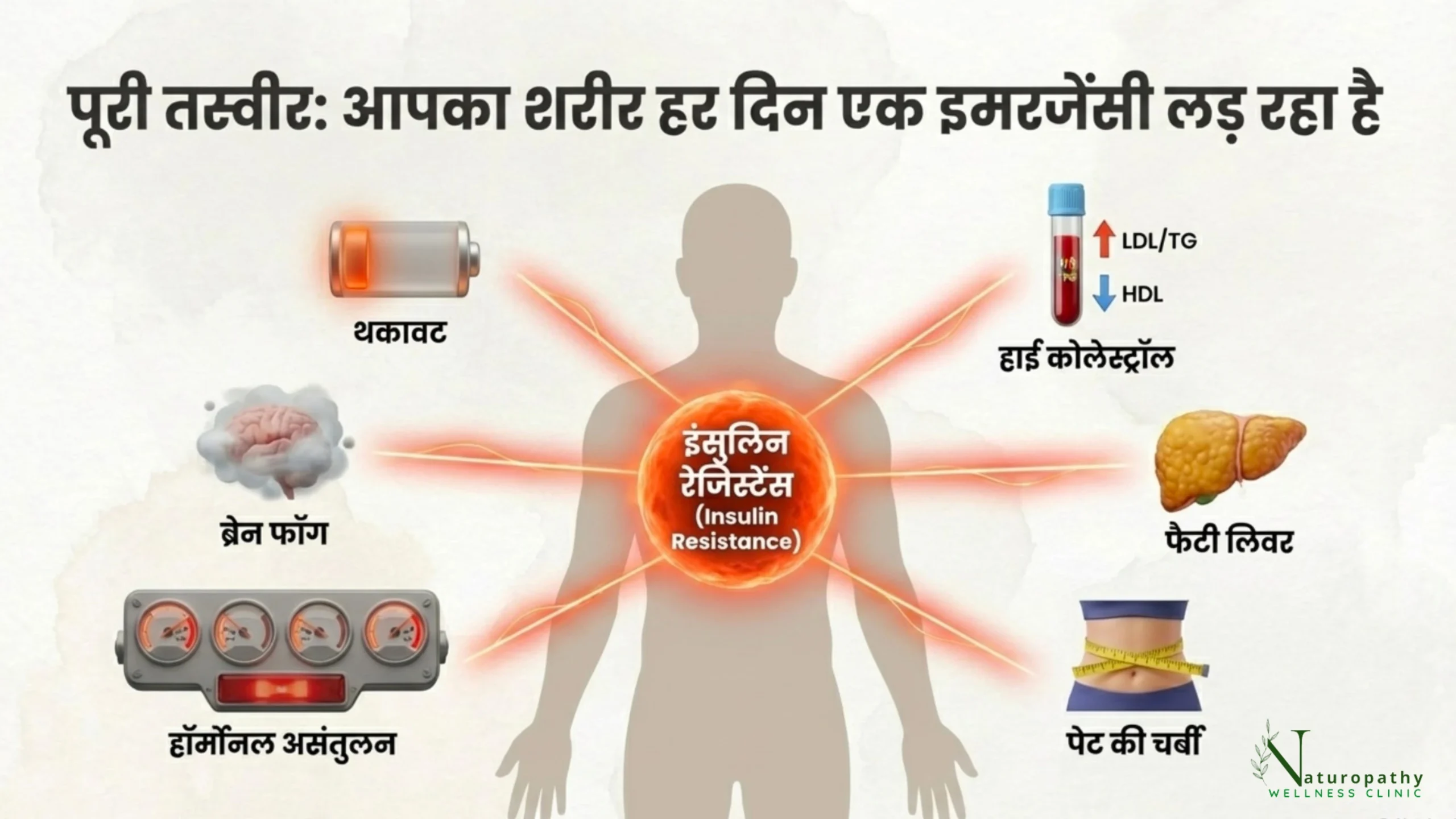
जब शरीर में ग्लूकोज और इंसुलिन का स्तर लगातार ज़्यादा रहता है, तो शरीर इसे एक इमरजेंसी मानता है। इस “शुगर इमरजेंसी” से निपटने केलिए, वह अपने दूसरे ज़रूरी कामों को रोक देता है और पूरी तरह से सर्वाइवल मोड में चला जाता है।
- लिवर (Liver): यह शरीर से विषैले पदार्थों को निकालना (डिटॉक्सिफिकेशन) और कोशिकाओं की मरम्मत करना बंद कर देता है।
- पैंक्रियास (Pancreas): यह पाचन एंजाइम बनाने पर ध्यान केंद्रित करना बंद कर देता है, जिससे अपच, सूजन और पोषक तत्वों काअवशोषण खराब हो सकता है।
- थायरॉइड (Thyroid): यह शरीर की ऊर्जा की मांग को कम करने के लिए आपके मेटाबॉलिज्म को धीमा कर देता है।
यही कारण है कि लोग थका हुआ, धीमा, मानसिक रूप से धुंधला और चिंतित महसूस करते हैं। यह उम्र बढ़ना नहीं है; यह मेटाबोलिक तनाव है।
3. बढ़ा हुआ कोलेस्ट्रॉल (Cholesterol) दुश्मन नहीं, बल्कि एक रक्षक है
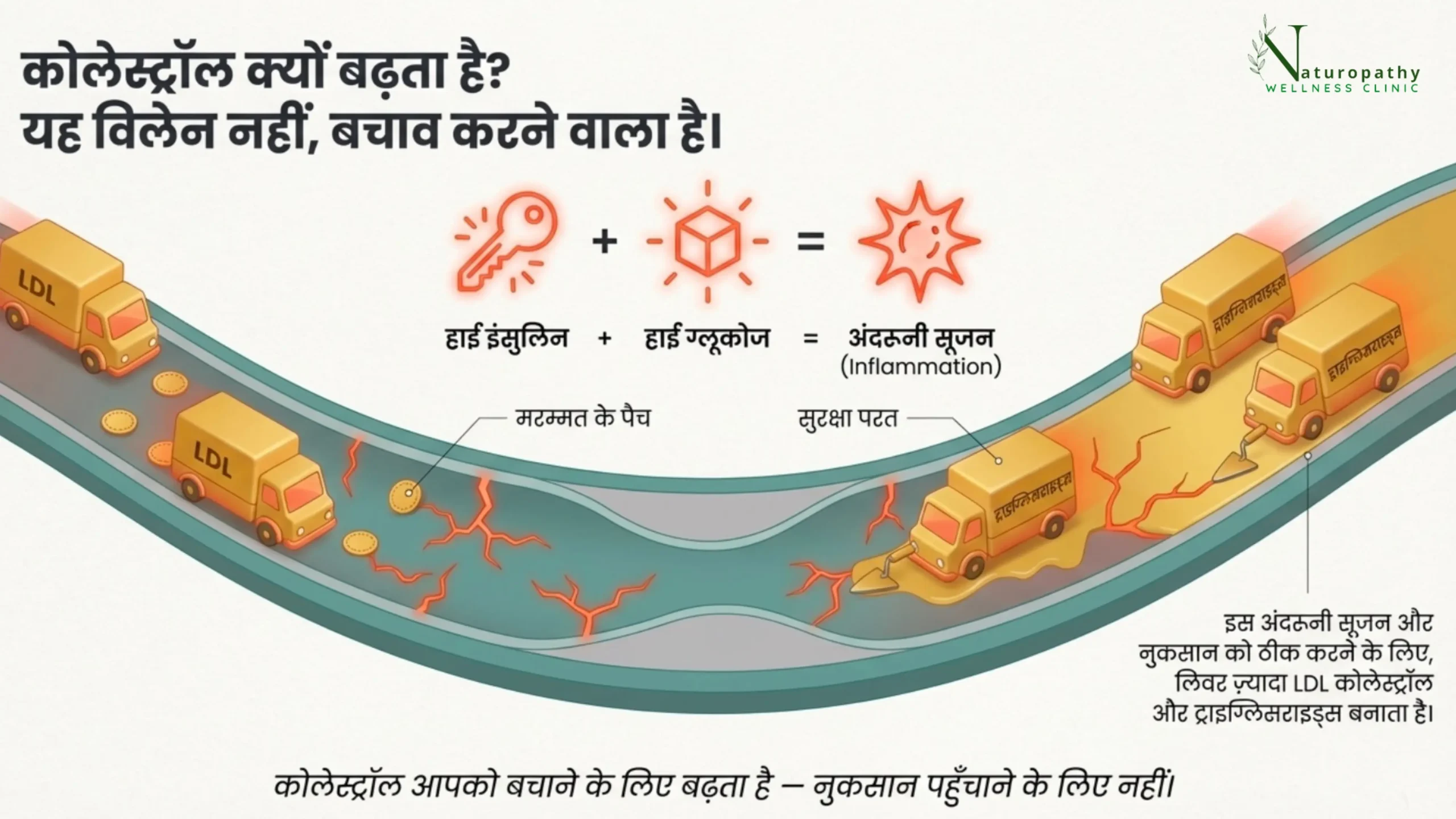
यह सुनकर आपको हैरानी हो सकती है, लेकिन बढ़ा हुआ कोलेस्ट्रॉल आपका दुश्मन नहीं है। जब खून में ज़्यादा शुगर और इंसुलिन के कारणआंतरिक सूजन (internal inflammation) होती है, तो लिवर प्रतिक्रिया में ज़्यादा LDL कोलेस्ट्रॉल और ट्राइग्लिसराइड्स का उत्पादन करताहै।
इसका कारण यह है कि शरीर को इस आंतरिक क्षति को “ठीक करने” के लिए कोलेस्ट्रॉल की ज़रूरत होती है। कोलेस्ट्रॉल आपकी कोशिकाओंको नुकसान पहुँचाने के लिए नहीं, बल्कि उनकी रक्षा करने के लिए बढ़ता है। इसी समय, HDL (“अच्छा कोलेस्ट्रॉल”) कम हो जाता है क्योंकिलिवर शुगर इमरजेंसी से निपटने में इतना व्यस्त होता है कि वह रक्त वाहिकाओं को साफ करने और सूजन को कम करने के लिए पर्याप्त HDL का उत्पादन नहीं कर पाता है। HDL के कम होने का मतलब है शरीर में ज़्यादा सूजन, खून से चर्बी की खराब सफाई, और पेट की चर्बी व फैटीलिवर का बढ़ता खतरा।
यह पैटर्न—उच्च LDL, उच्च ट्राइग्लिसराइड्स और कम HDL—मेटाबोलिक सिंड्रोम का एक क्लासिक संकेत है।
4. इंसुलिन एक 'फैट-स्टोरेज हार्मोन' है जो चर्बी को लॉक कर देता है
इंसुलिन का स्तर ज़्यादा होने पर शरीर ऊर्जा के लिए चर्बी नहीं जला पाता। इंसुलिन को “फैट-स्टोरेज हार्मोन” भी कहा जाता है क्योंकि यह चर्बीको कोशिकाओं के अंदर बंद कर देता है, जिससे उसे जलाना असंभव हो जाता है।
इसी वजह से पेट की जिद्दी चर्बी बढ़ती है और कमर का आकार बढ़ने लगता है। यही प्रक्रिया लिवर को अतिरिक्त शुगर को चर्बी में बदलने काकारण बनती है, जिससे फैटी लिवर (NAFLD) की समस्या होती है। यह एक खतरनाक चक्र की शुरुआत करता है, जहाँ फैटी लिवर इंसुलिनप्रतिरोध को और भी बदतर बना देता है। जब तक इंसुलिन का स्तर ज़्यादा रहेगा, तब तक फैट बर्न करना लगभग नामुमकिन है।
5. आपके हॉर्मोन्स का असंतुलन और ब्रेन फॉग (Brain Fog) का असली कारण
इंसुलिन प्रतिरोध पूरे हार्मोनल सिस्टम में उथल-पुथल मचा देता है। यह उच्च कोर्टिसोल (तनाव हार्मोन), कम थायरॉइड, कम विटामिन डी, महिलाओं में PCOD, पुरुषों में बढ़ा हुआ एस्ट्रोजन, या कम टेस्टोस्टेरोन जैसी समस्याओं को जन्म दे सकता है। यह हार्मोनल असंतुलन आपकोमूडी, चिंतित और मानसिक रूप से थका हुआ महसूस कराता है।
इसी तरह, ब्रेन फॉग, मीठा खाने की तीव्र इच्छा (cravings), ज़्यादा सोचना (overthinking), भावनात्मक खान-पान (emotional eating), औरयाददाश्त की समस्याएं इसलिए होती हैं क्योंकि मस्तिष्क को भ्रमित करने वाले संकेत मिलते हैं: खून में ऊर्जा (ग्लूकोज) तो है, लेकिन वहकोशिकाओं के अंदर नहीं जा पा रही है। यह बेमेल स्थिति मस्तिष्क में भ्रम पैदा करती है।
निष्कर्ष: एक ही तूफान के कई चेहरे

थकान, पेट की चर्बी, कोलेस्ट्रॉल, हार्मोनल समस्याएं और ब्रेन फॉग—ये सभी अलग-अलग बीमारियां नहीं हैं। अक्सर, ये एक ही मूल कारण केलक्षण होते हैं: इंसुलिन प्रतिरोध।
“इंसुलिन प्रतिरोध शरीर को उसके सामान्य काम छोड़ने और दिन भर शुगर इमरजेंसी से लड़ने के लिए मजबूर करता है।”
जब तक कोशिकाओं के दरवाजे फिर से नहीं खुलते, तब तक शरीर संतुलन में वापस नहीं आ सकता।
तो सवाल यह है कि हम इन बंद हो चुके सेल के दरवाजों को स्वाभाविक रूप से फिर से कैसे खोल सकते हैं?